
We invite you to discover the magic of the Masai Mara, one of Africa’s most spectacular safari regions. During your Masai Mara Budget Safaris & Tours, we carefully design an affordable yet unforgettable journey.
Picture this: the golden savannahs rolling out beneath a fiery sunset, herds of wildebeest sweeping across the plains, and Maasai warriors in vibrant red shuka guiding you through their ancestral homeland. You get all this and more, but always within your budget.
We believe everyone should experience African wildlife and culture in a way that feels personal, safe, and authentic, without breaking the bank. This article breaks down exactly why the Masai Mara is a bucket-list destination, the best times to visit, smart tips, the must-see spots, our curated safari activities, and answers to your top questions.
Whether you live in Vancouver, Munich, New York, or London, we’ll show you how to see “Africa” while feeling at home in Tanzania, Kenya, or Uganda.
Read on, and let us guide you to an adventure that’s rich in memories, wildlife, and local flavor, but friendly on your wallet.
1. Incredible Wildlife at an Accessible Price
When we talk about budget safari, we don’t mean cutting corners on wildlife encounters. The Masai Mara is home to the legendary Great Migration, the annual movement of over a million wildebeest, plus zebras and gazelles.
You don’t have to stay at luxury lodges to witness the thundering herds crossing the Mara River. Our cost-effective camps are strategically placed near the migration routes and prime grazing grounds, so you’ll see spectacular wildlife without paying top-tier rates.
2. Cultural Experiences Without the Mark-Up
Our tours include visits to local Maasai villages, where you’ll meet Maasai men and women, learn traditional dances, and share stories about life on the plains. We partner directly with small, family-run homesteads so your contribution goes straight to the community. You get a meaningful encounter, and the community gets direct support.
3. Flexible Options for Every Traveller
We know that every group is different. Families, solo travelers, couples, and friends all have different needs. That is why we offer modular packages. Want a two-night starter safari? No problem. Keen to add hot-air ballooning?
We can include it as an add-on. Prefer a road trip from Nairobi with overnight stops in Amboseli and Samburu? Consider it done. We believe flexibility should not empty your wallet.
4. Eco-Friendly and Community-Driven
With us, budget travel does not mean mass tourism. We limit group sizes, stick to eco-friendly camps, and maintain transparent pricing. From solar lanterns to reusable water bottles, we do what it takes to protect wildlife and minimize waste. A percentage of our proceeds goes to local schools in the Masai Mara. Every dollar you spend helps build the future.
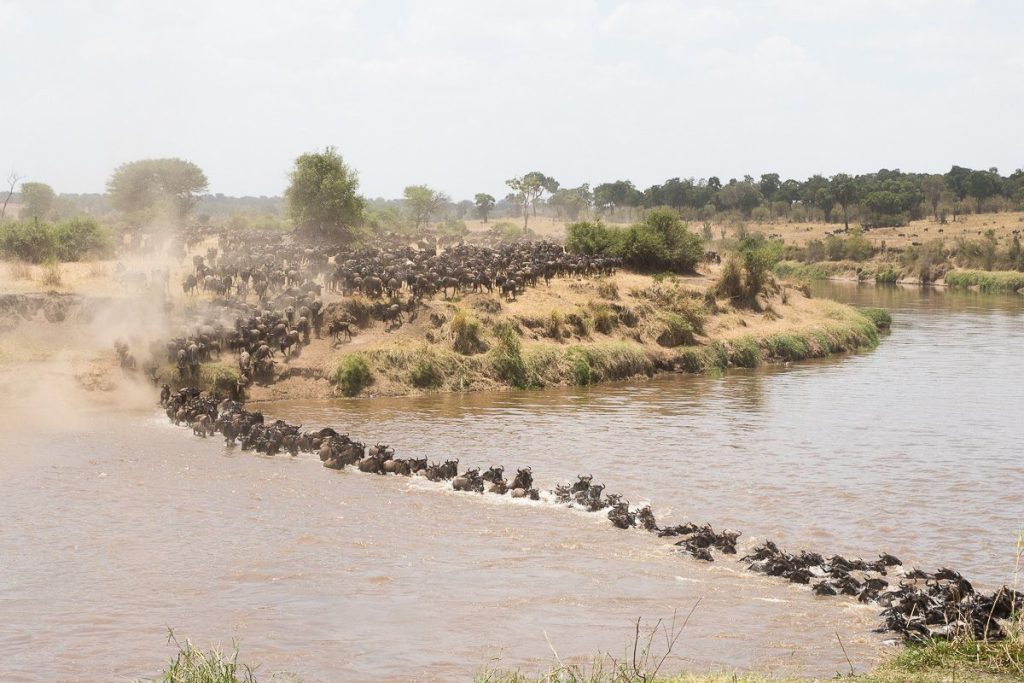
Late July through October is the classic migration window. Expect millions of wildebeest crossing the Mara River. From the poolside at camp, you might hear splashes and see crocodile jaws snap up stragglers.
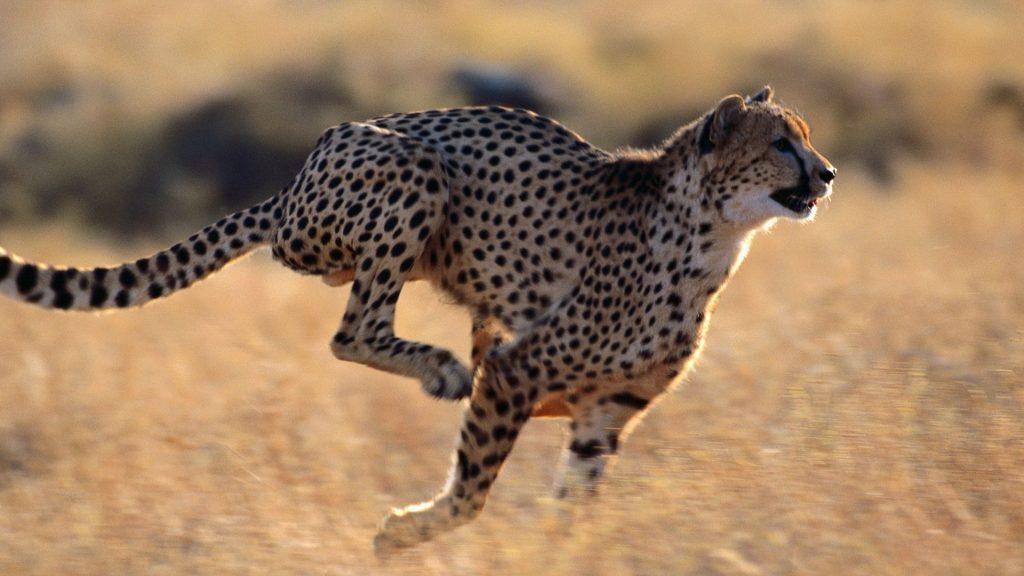
November through March brings short rains followed by vibrant green plains and newborn calves. This season has fewer tourists and lower dry-season rates. Expect to see cheetah cubs and lionesses hunting in the tall grass.
April through June is the low season. It’s short on crowds but high on savings. While migratory herds may shift south, permanent wildlife like elephants, giraffes, and buffalo will still be plentiful. This time of year is ideal for birdwatchers. Migratory birds such as bee-eaters and cuckoos pass through in large numbers.
Talek River Area
This is a wildlife magnet and our favorite spot for affordable camps. Hippos, crocodiles, buffalo, and grazing plains game are often visible from your tent. It’s peaceful and close to the famous crossing points.
Mara Triangle
Located in Narok County, the Mara Triangle offers fewer tourists than the central reserve and lower conservation fees. Rangers here are friendly and dedicated, making the experience feel both safe and personal.
Olare Orok Conservancy
This conservancy is managed by Maasai landowners in partnership with conservancy groups. Wildlife is abundant, vehicles are limited, and camps are discreet. You’re likely to spot giraffes, elands, and sometimes black rhinos.
Lemek Conservancy
South of the Mara Triangle, Lemek offers open plains, resident cheetahs, and the occasional leopard lounging in an acacia tree. The camps are smaller, eco-conscious, and ideal for travelers seeking a quieter atmosphere.
Ol Kinyei Conservancy
Next to the Mara Triangle, this area is home to permanent elephant herds and prides of lions. Waterholes attract animals all day long. We often schedule sundowners here beside quiet waterholes far from the crowds.
Early-Morning Game Drives
We start each day with sunrise. Climb into a shared 4×4 just as the savannah stretches into golden light. Lions are waking, zebras graze in silence, and the sky turns pink. If you’re lucky, you might watch a lioness crouch in the tall grass before leaping at a gazelle. Shared vehicles don’t mean rushed moments. We give you time to soak it in.
Afternoon Cultural Visits
In the afternoon, we visit Maasai villages. You’ll be greeted with songs and smiles. A Maasai elder might teach you how to jump in the warrior dance or identify tracks left by a hyena. Join in preparing a simple meal like ugali and stew over the fire. These visits are personal and real, not staged performances.
Spotlighting on Night Drives
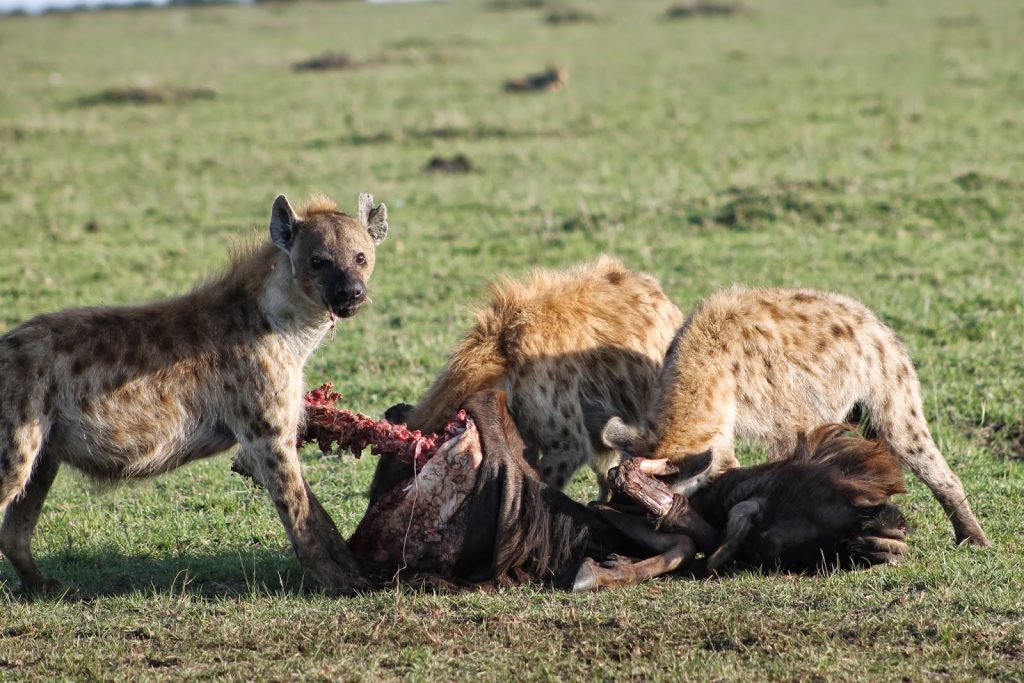
On select nights, we offer optional night drives with spotlights. As darkness falls, a new world wakes up. Hyenas laugh in the distance. A serval’s eyes reflect the light like golden beads. If you’re lucky, you’ll see an aardvark sniffing for ants. These drives are inexpensive but unforgettable.
Walking Safaris
In some conservancies, we offer guided walks with Maasai trackers. Without the engine’s hum, the bush comes alive. You’ll notice beetles, birds, and animal trails that vehicles might miss. It’s peaceful and intimate, and it costs very little.
Hot-Air Balloon Ride (Optional)
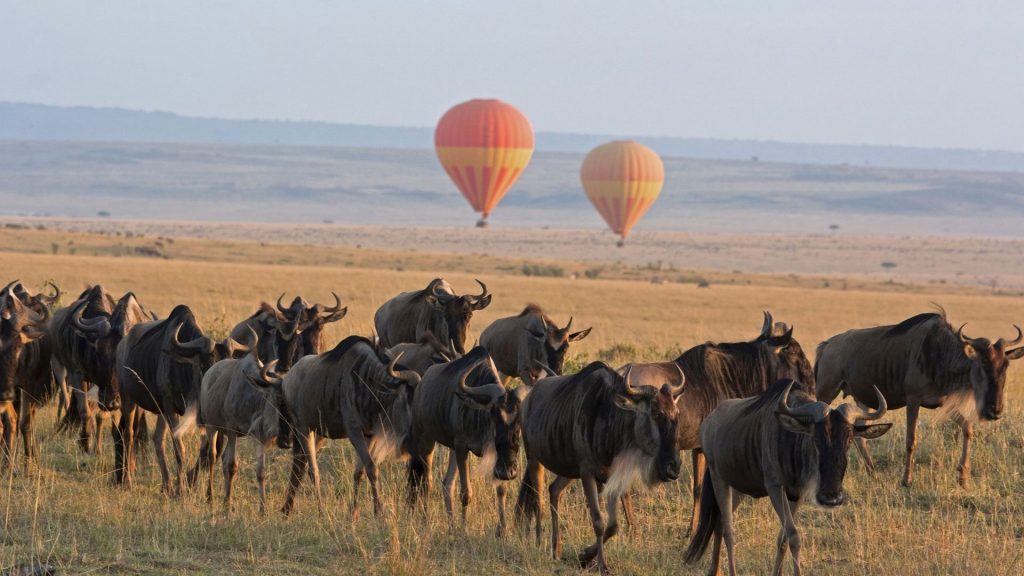
This is our one recommended splurge. Watch the sun rise as you drift quietly above the savannah. Below, you’ll see hippos, wildebeest, and giraffes moving slowly through the morning mist. After landing, we celebrate with a bush breakfast under an acacia tree. It’s a once-in-a-lifetime experience.
Birdwatching and Photography
You carry your binoculars and bird books at hand. Early mornings are alive with color and sound. Lilac-breasted rollers flash through the trees and vultures circle above. Photography enthusiasts will find endless scenes to capture, from golden horizons to lion cubs in tall grass.
Community-Led Conservation Tours
These tours are led by local conservationists and rangers. You’ll learn how Maasai communities are preserving their land while protecting wildlife. Each tour funds tree planting in nearby schools. These visits are low-cost but deeply meaningful.
What does “budget safari” mean?
A budget safari offers comfort and adventure without luxury pricing. You’ll stay in simple lodges or tented camps, eat well, and travel in shared vehicles with experienced guides. These safaris skip the high-end extras like private chefs or designer lodges but keep everything that matters: great wildlife, great food, and great memories.
How safe is a budget safari?
Very safe. Our drivers are trained in first aid and vehicle safety. Camps are monitored 24 hours a day. Guided walks and night drives are always supervised. We don’t take risks with your health or safety. You’ll feel welcome and protected from the moment you arrive.
Do I need to tip guides and staff?
Tipping is appreciated. Most guests give around $10 to $20 per day, divided among guides, drivers, and staff. If you prefer, we can pool your tip and distribute it fairly. This small gesture makes a big difference in the lives of those who make your trip unforgettable.
How do we get to the Masai Mara?
You can travel by road or take a domestic flight. A drive from Nairobi takes about 5 to 6 hours and offers scenic views along the way. A small bush flight gets you there in under an hour. We’ll help you choose what fits best within your time and budget.
What vaccinations or health checks do I need?
We recommend routine vaccines like tetanus and Hepatitis A. You may also need a yellow fever certificate depending on where you’re arriving from. Malaria pills are a good precaution. Our camps provide mosquito nets and clean water for your peace of mind.
Can I bring my kids?
Absolutely. We welcome families and offer kid-friendly activities, shorter drives, and meals they’ll enjoy. Many children leave with a new favorite animal and a head full of stories to share at school.
What’s the best season for travelers from America and Europe?
July to October is peak season with migration action and sunny skies. April to June is more affordable with lush greenery and fewer tourists. Both have their charm. Let us help you choose the time that suits your style and schedule.
Can you accommodate dietary restrictions?
Yes. We cater to vegetarians, vegans, and gluten-free guests. Just let us know ahead of time. Our cooks are flexible and happy to adjust recipes so you feel at home with every bite.
Is it okay to travel solo?
Definitely. Many of our guests come alone and leave with new friends. You’ll join small groups for drives and meals, and we never charge extra for sharing space with fellow travelers. It’s a great way to connect and feel safe.
Will I have phone service or internet?
Most camps have solar power and basic Wi-Fi. You can charge your phone and stay connected, though the signal may be limited. Some guests enjoy unplugging for a while and soaking in the stillness of nature.

Not every safari must be expensive. Get in touch and let's start planning an unforgettable adventure at unbeatable safari costs
GET A QUOTE




+256 782 195 052 (UG)
+255 757 430 372 (TZ)
book@budgetsafaristours.com
Ntinda, Kampala, Uganda,
Msola Rd, Njiro, Arusha - Tanzania
Friendly Gorillas Safaris
Plot 14, Ring Road, Kulambiro,
Kampala.
Phone: (+256) 782 – 195-052
Email: book@budgetsafaristours.com